
Guide / starting from a template
Free inventory template: what a good one contains
A template is a spreadsheet with opinions. Here are the opinions worth having — structure, habits, limits — and how the same template grows into a real system when the time comes.
The short answer
- A good template has two sheets: a product list and a movement log — on-hand is derived, never typed.
- The habits matter more than the file: log at the moment of movement, reconcile on schedule, lock the structure.
- The limits are structural: no allocation, no multi-user truth, no history beyond overwritten cells.
- The graduation path: the same data imports into a real system — BSimple's trial is free, plans from $180/month (AUD).
- The full picture: how the inventory record works is the hub page for everything above.
- 01The short answer
- 02The structure that works
- 03The habits, and the hard limits
The structure that works
Search "free inventory template" and you will find a thousand files — most with one fatal opinion: a big on-hand grid you edit directly. The structure that works instead: Sheet one — products: barcode or SKU, description, cost, location, and an on-hand column that is calculated, not typed. Sheet two — movements: one row per event — date, code, quantity signed in or out, action (received, picked, adjusted, counted), who. On-hand becomes a formula over the log (SUMIFS or a pivot), and the file's honesty is structural: the log is the only input, so every number can be explained.
Template choices that pay off later: keep codes consistent with what a scanner could read; keep quantities signed so receipts and picks share one sheet; add a variance column for counts instead of overwriting. The Excel-plus-scanner guide builds this exact structure, and the free Excel-and-PDF options cover the download-and-print end of the market.
The habits, and the hard limits
The template lives or dies on habits: log at the moment of movement — batch entries at day's end are where truth goes to die; reconcile on schedule — weekly during busy periods, before drift compounds; lock the structure — a surprise new column breaks the arithmetic quietly. A template with habits outperforms software without them.
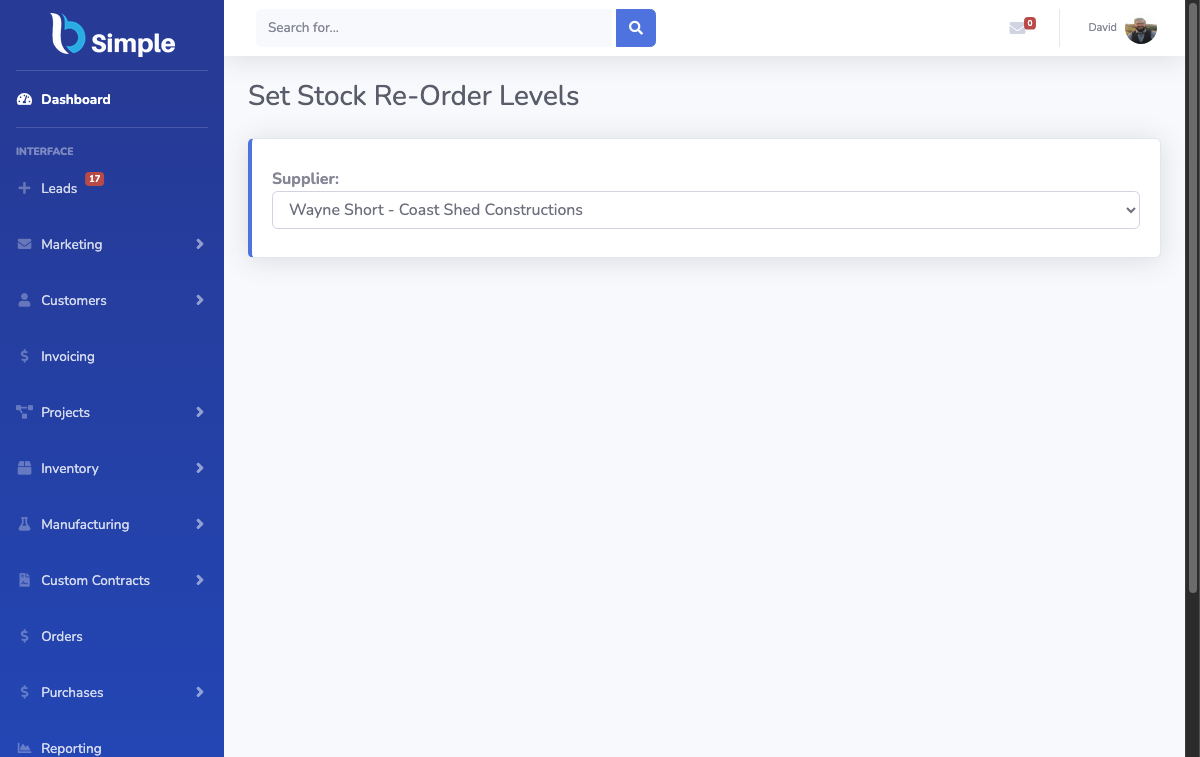
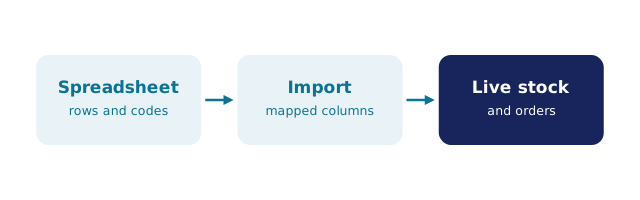
The limits arrive on schedule too: no allocation — two orders can promise the same units; no shared truth — the second user is a second file; no history — answers to "where did this go?" end at the last overwrite. Those are properties, not bugs, and they define the graduation moment. When it arrives, the template's data is the migration path: product lists import directly — BSimple's free trial starts from your spreadsheet, with plans from $180/month (AUD) once the fit is proven. The basic free tools cover the middle ground if the ceiling is further off than it looks.
Frequently Asked Questions
What should a free inventory template include?
Two sheets minimum: a product list (code, description, cost, location, calculated on-hand) and a movement log (date, code, signed quantity, action, who). Avoid the big editable on-hand grid — it is the template equivalent of two records in one file.
Is a template enough for a small business?
While one person maintains it and nothing allocates against the stock, genuinely yes. The first structural failure — an oversell, a second user, an unexplainable quantity — is the boundary. The template's clean data then becomes the migration path rather than a sunk cost.
Can several people use one template?
On a shared drive, painfully — concurrent edits corrupt, and the log stops being trustworthy. A shared live record is precisely what software adds. Two or more people updating stock is usually the moment the template graduates.
How does a template become a real system?
By import: product lists move into systems like BSimple as data, not as re-typing — start the trial with your actual catalogue, here. The habits are the part that transfers free; the arithmetic is the part you stop maintaining by hand.

BSimple